
Types of Search Engine Optimization (SEO)
Search Engine Optimization (SEO) is one of the most important parts of digital marketing. Whether you own a small business, manage an online store, or work as a freelancer, SEO can help your website reach the right audience through search engines. When people search for products, services, or information online, businesses want their websites to appear prominently in the search results
But SEO is not just one technique. There are different types of search engine optimization, and each type focuses on a different part of improving a website’s visibility and performance.
In this blog, we will explore the major types of SEO, how they work, and why they are important for businesses.
## What Is Search Engine Optimization?
Search Engine Optimization (SEO) is the process of optimizing a website to improve its visibility in search engine results. It includes optimizing website content, structure, technical elements, and links to help search engines discover and evaluate web pages and types of search engine optimization
For example, if someone searches for **“best digital marketing agency”**, search engines analyze many websites before deciding which pages should appear in the results. A well-optimized website has a better opportunity to reach potential customers.
SEO is generally divided into several categories, including **on-page SEO, off-page SEO, technical SEO, local SEO, and e-commerce SEO**.
What Are the Different Types of SEO?
1. On-Page SEO
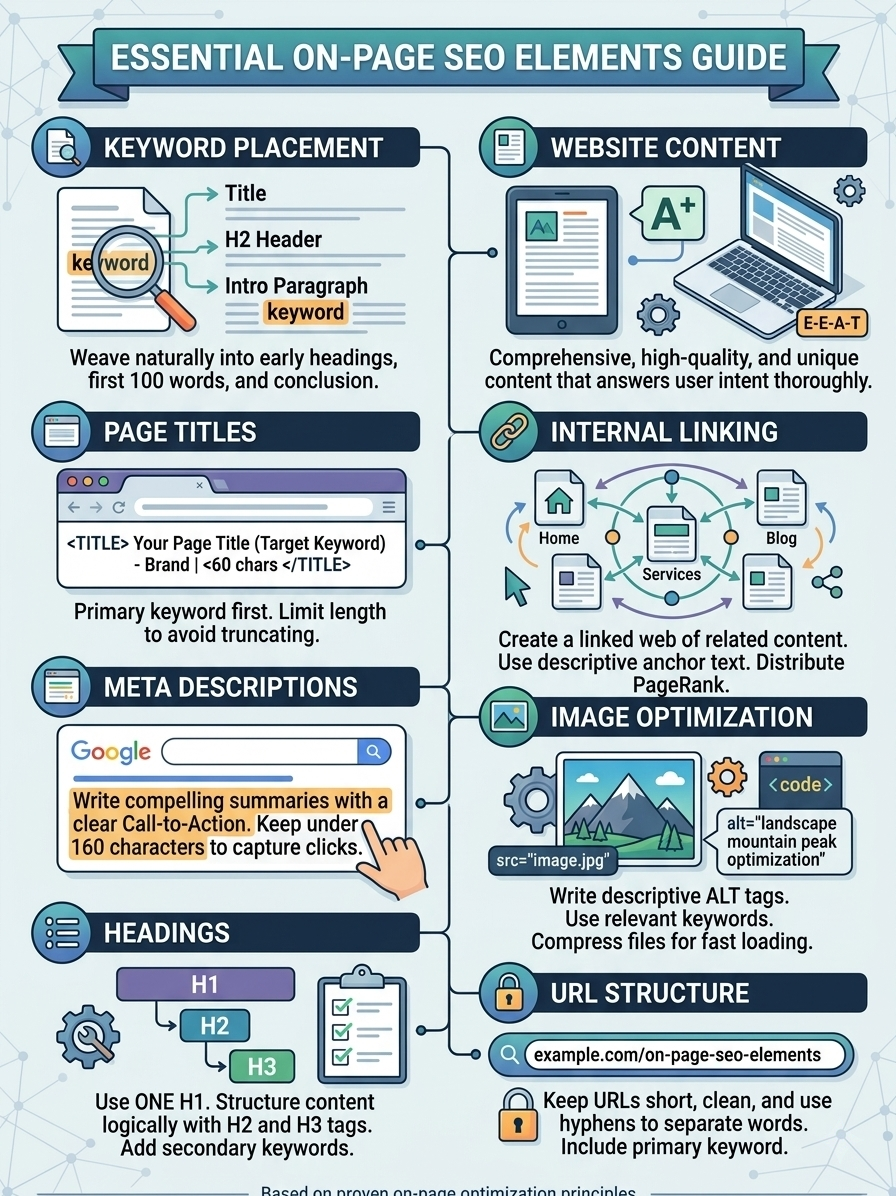
On-page SEO involves optimizing the content and HTML elements of individual web pages to improve their search engine visibility.
On-page SEO helps improve the relevance and visibility of a webpage by optimizing its content and important page elements..
Important elements of on-page SEO include:
* Keyword placement
* Page titles
* Meta descriptions
* Headings
* Website content
* Internal linking
* Image optimization
* URL structure
For example, including relevant keywords in the title, headings, and content helps search engines identify the main topic of a webpage.
However, keywords should not be unnecessarily repeated. SEO content should provide useful and relevant information that meets the needs of the target audience.
2. Off-Page SEO
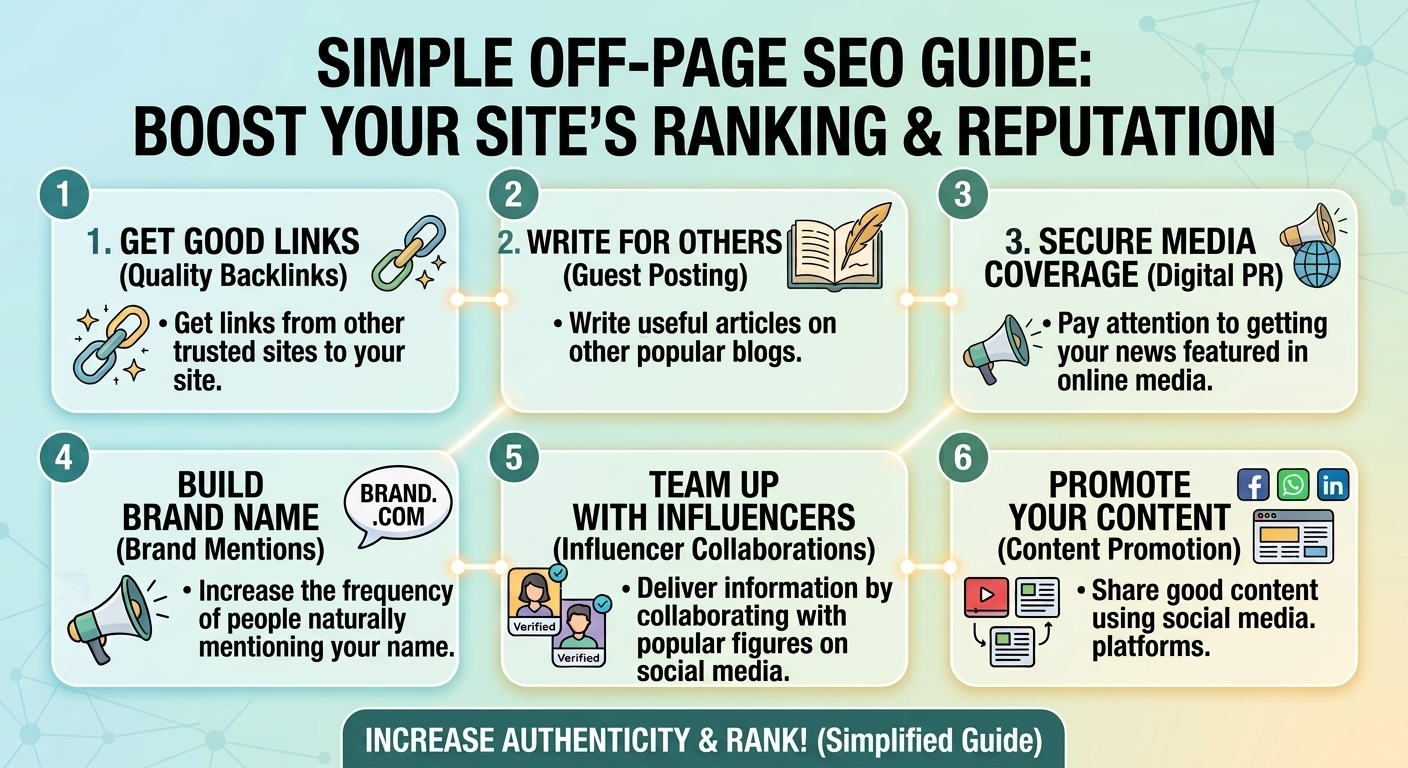
Off-page SEO involves activities outside a website that can improve its online presence, credibility, and authority
Link building is an important part of off-page SEO, as it involves getting links from other websites to your own website. When reputable websites link to your website, those links can contribute to your site’s authority.
Common off-page SEO activities include:
* Building quality backlinks
* Guest posting
* Digital PR
* Brand mentions
* Influencer collaborations
* Content promotion
For example, imagine you run a photography business. If a respected photography website publishes an article about your business and links to your website, that can help increase your online visibility and credibility.
Quality backlinks from relevant and trustworthy websites can help improve a website’s authority and online presence.
3. Technical SEO
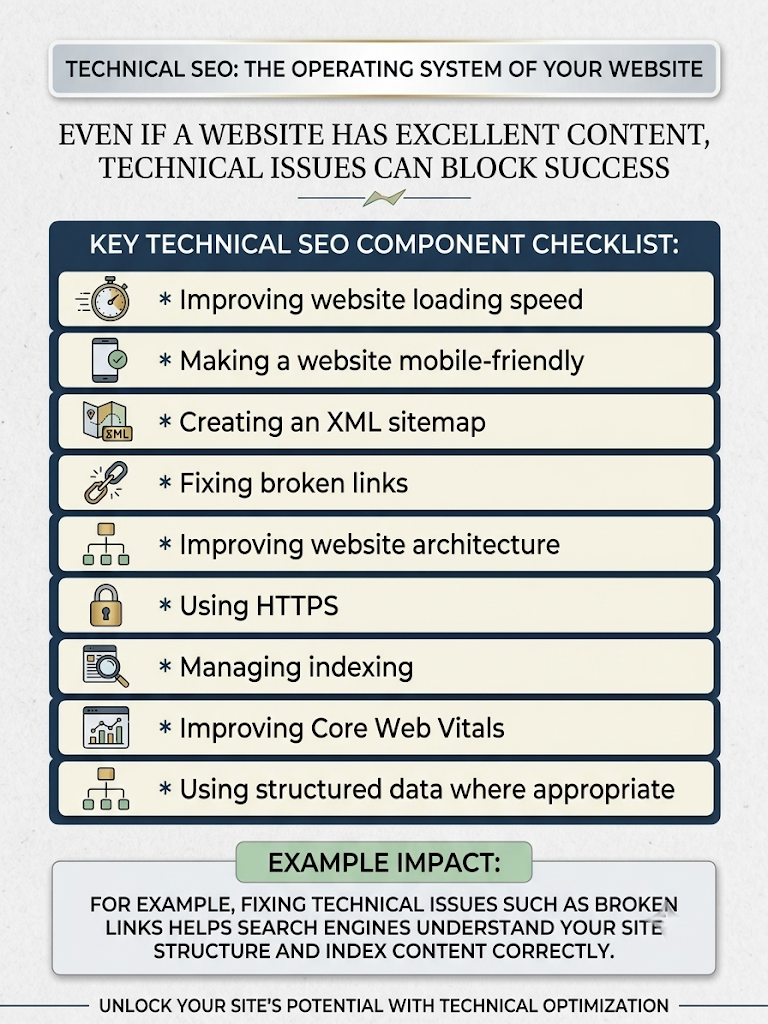
Technical SEO involves optimizing a website’s technical elements to improve its performance, accessibility, and search engine visibility and types of search engine optimization
Even if a website has excellent content, technical problems can make it difficult for search engines and users to access the site properly.
Technical SEO can include:
* Improving website loading speed
* Making a website mobile-friendly
* Creating an XML sitemap
* Fixing broken links
* Improving website architecture
* Using HTTPS
* Managing indexing
* Improving Core Web Vitals
* Using structured data where appropriate
For example, fixing technical issues such as broken links, slow loading pages, and indexing problems can improve a website’s overall performance and make it easier for search engines to understand.
4. Local SEO
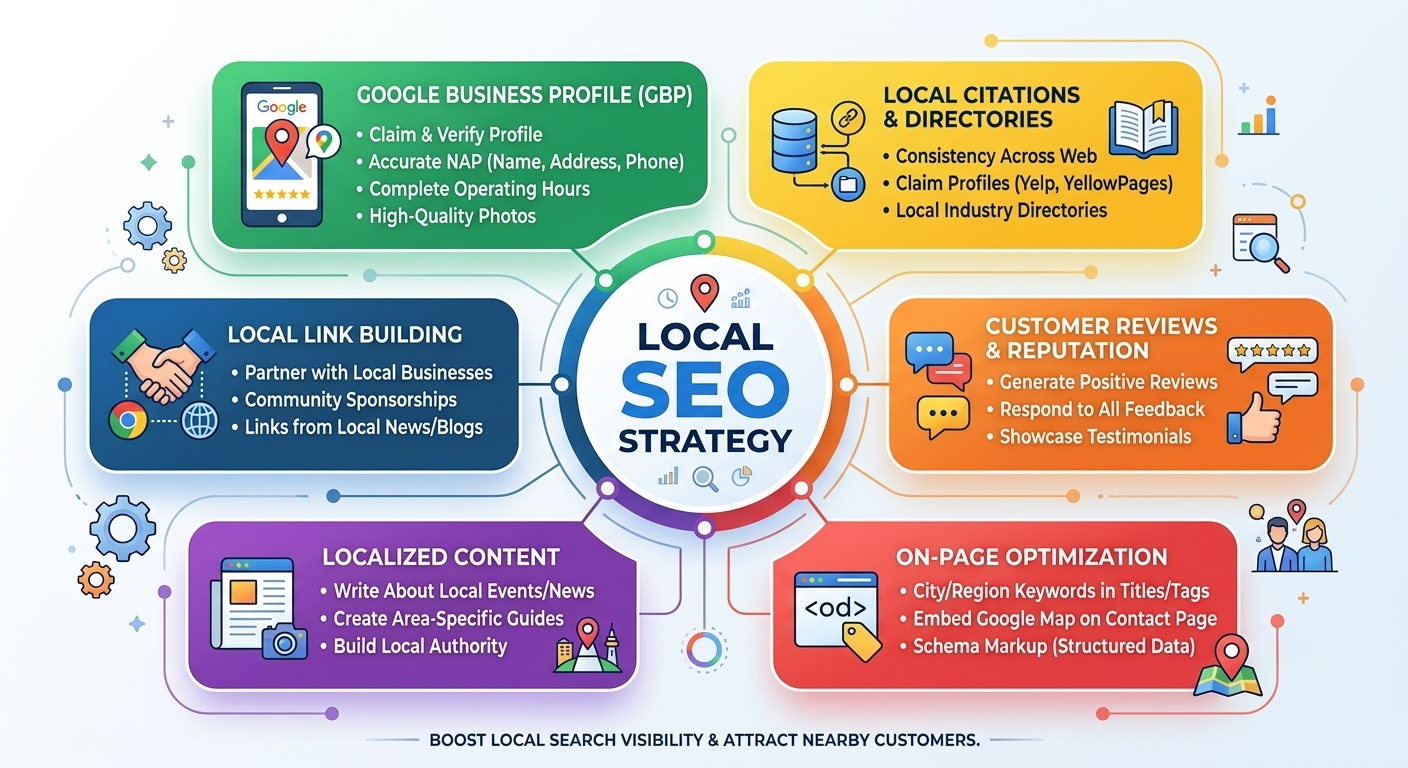
Local SEO is a strategy used to improve a business’s visibility in local search results and reach customers in its target area
When people search for something like “bakery near me” or “digital marketing freelancer in Calicut,” search engines may show businesses that are relevant to the user’s location.
Local SEO can involve:
* Optimizing a Google Business Profile
* Maintaining accurate business information
* Getting customer reviews
* Creating location-specific content
* Building local citations
* Optimizing pages for local search terms
For example, a restaurant in Calicut can optimize its online presence for searches related to restaurants in Calicut. Local SEO focuses on optimizing a business’s online presence for local searches and location-specific keywords
5. E-commerce SEO

E-commerce SEO is designed specifically for online stores.
An online store may have hundreds or even thousands of products. Optimizing product and category pages can help search engines understand what the store sells and help potential customers discover relevant products and types of search engine optimization
E-commerce SEO can include:
* Optimizing product titles
* Writing useful product descriptions
* Optimizing product images
* Creating SEO-friendly URLs
* Improving category pages
* Adding internal links
* Using structured data
* Improving website navigation
For example, instead of using a product name such as Product an online store can use a descriptive product title that clearly explains what the product is type of search engine optimization
6. Mobile SEO
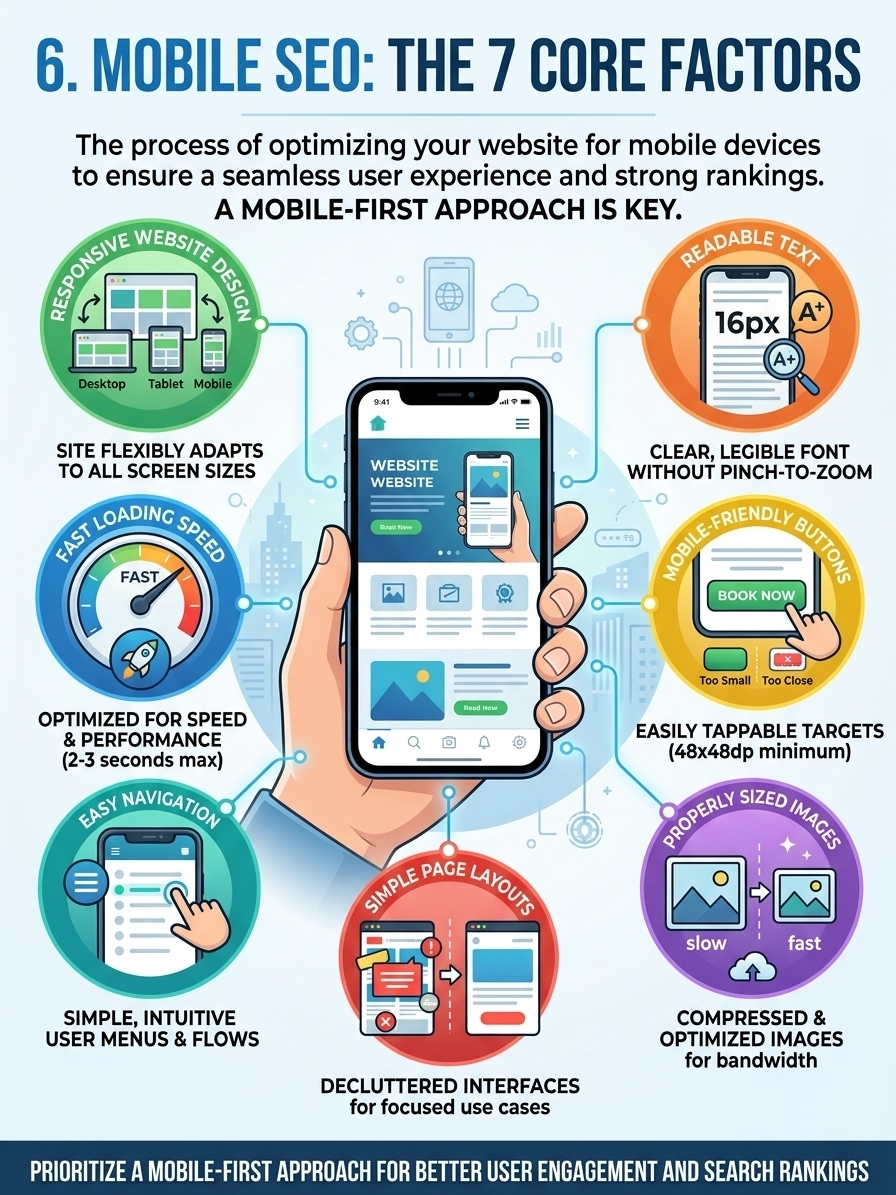
Mobile SEO is the process of optimizing a website for mobile devices to improve its visibility in mobile search results and make it easier for search engines to crawl and index.
Since many people use mobile devices to search the internet, websites need to work properly on smaller screens and types of search engine optimization
Important mobile SEO factors include:
* Responsive website design
* Fast loading speed
* Easy navigation
* Readable text
* Mobile-friendly buttons
* Properly sized images
* Simple page layouts
A website that works well on both desktop and mobile devices can provide a better experience for visitors.
White Hat SEO vs Black Hat SEO
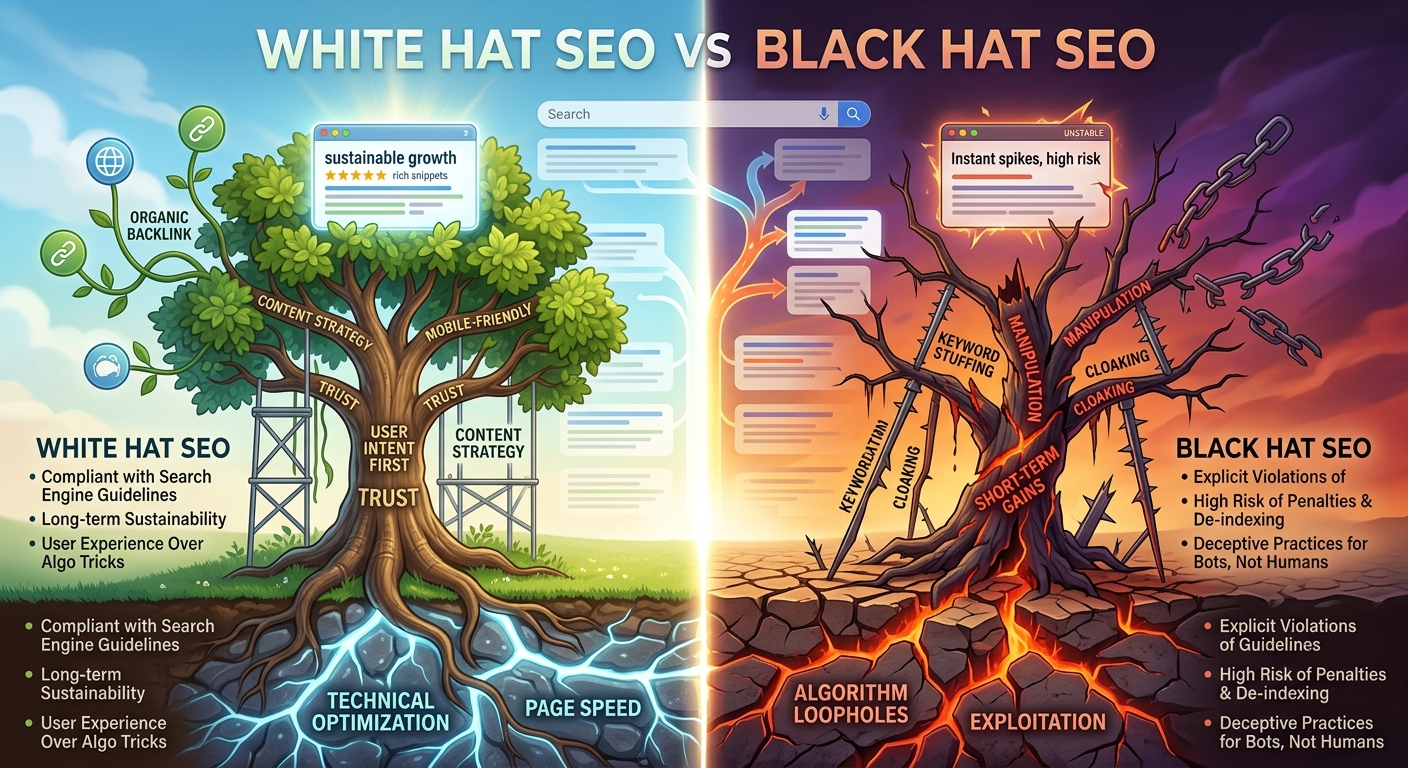
SEO techniques can also be categorized based on whether they follow search engine guidelines.
White Hat SEO
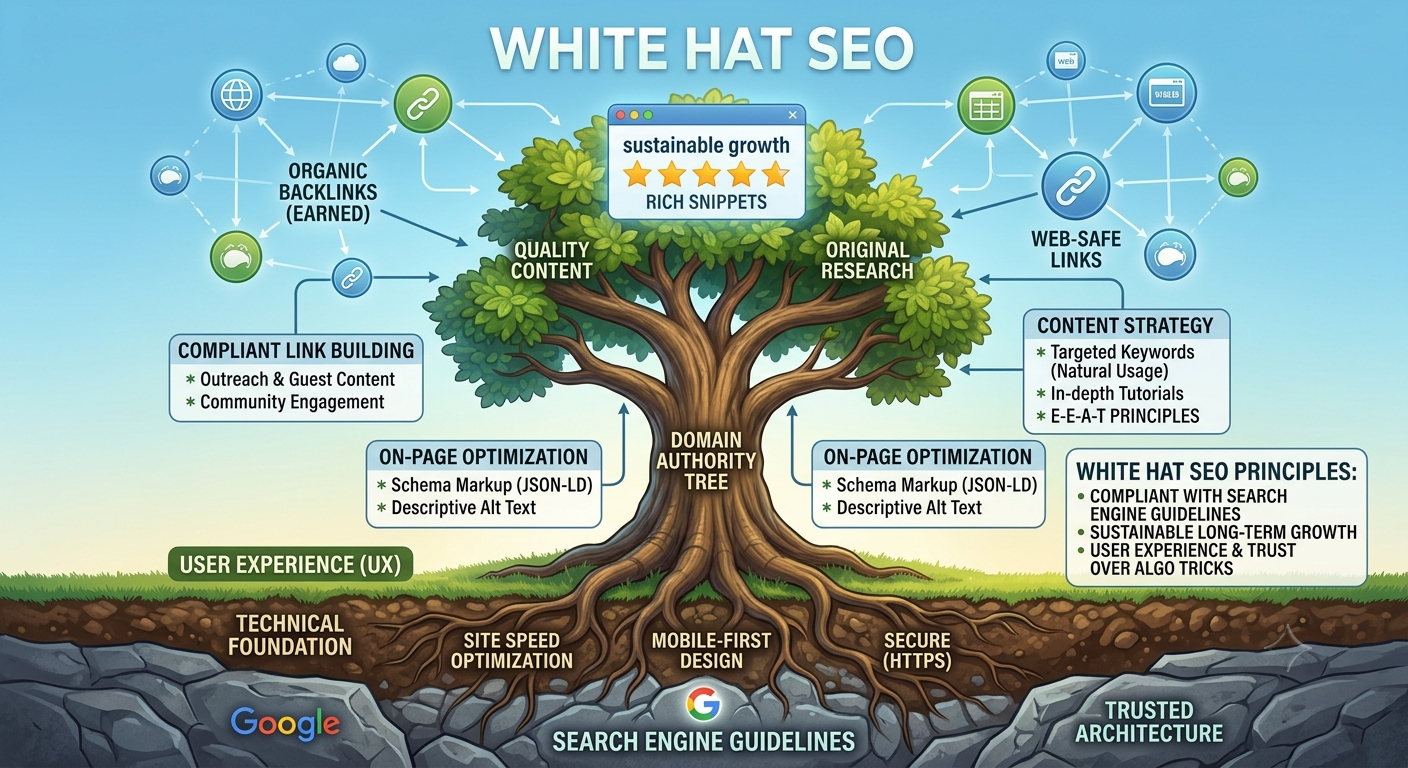
White Hat SEO uses ethical and sustainable techniques to improve a website’s visibility.
Examples include:
* Creating helpful content
* Using relevant keywords naturally
* Improving website performance
* Earning quality backlinks
* Providing a good user experience
These strategies generally focus on long-term results.
Black Hat SEO
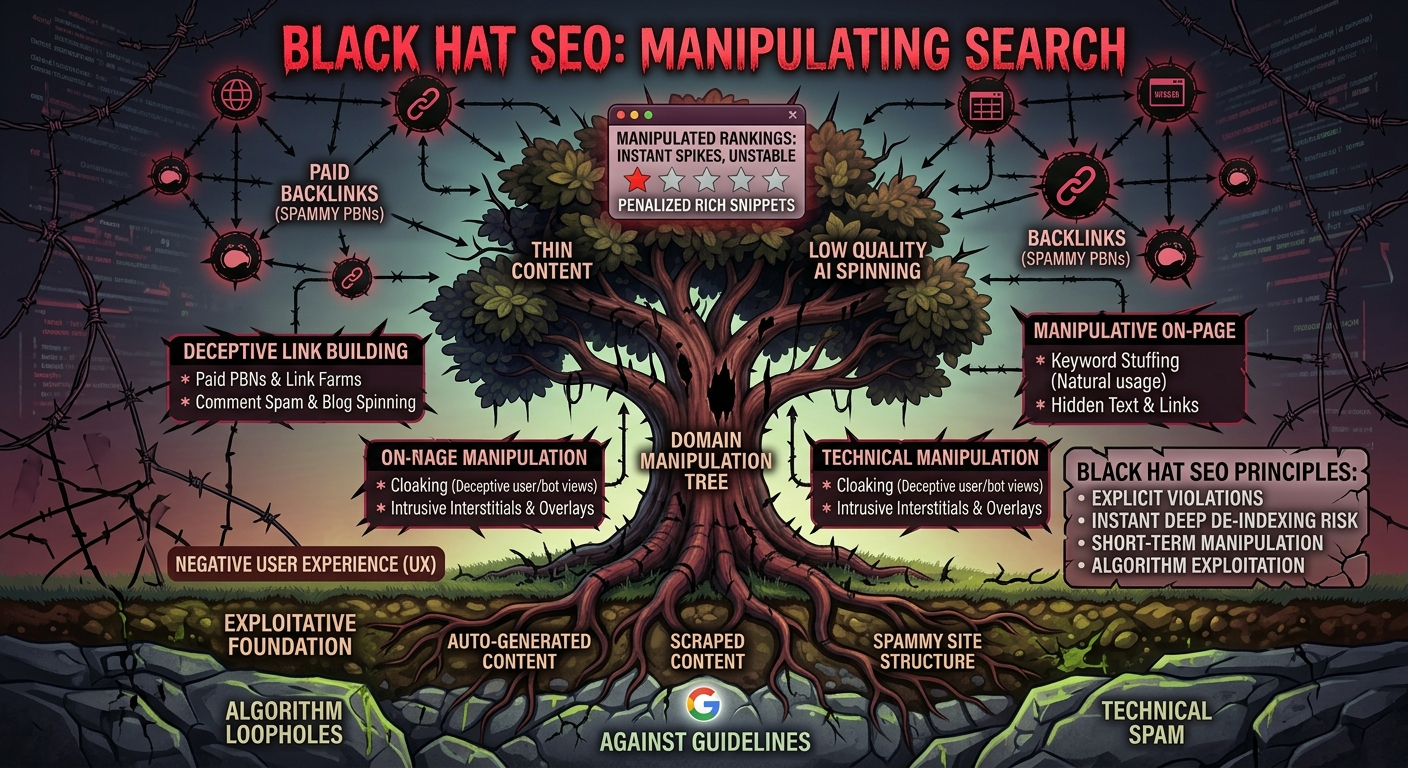
Black Hat SEO uses methods that violate search engine guidelines in an attempt to improve a website’s rankings. rankings in ways that violate search engine guidelines and types of search engine optimization
Examples can include keyword stuffing, deceptive redirects, and manipulative link schemes.
Although some black hat techniques may produce short-term results, they can put a website at risk of ranking losses or search engine penalties.
For businesses, focusing on sustainable SEO practices is generally the safer approach and types of search engine optimization
Why Are Different Types of SEO Important?
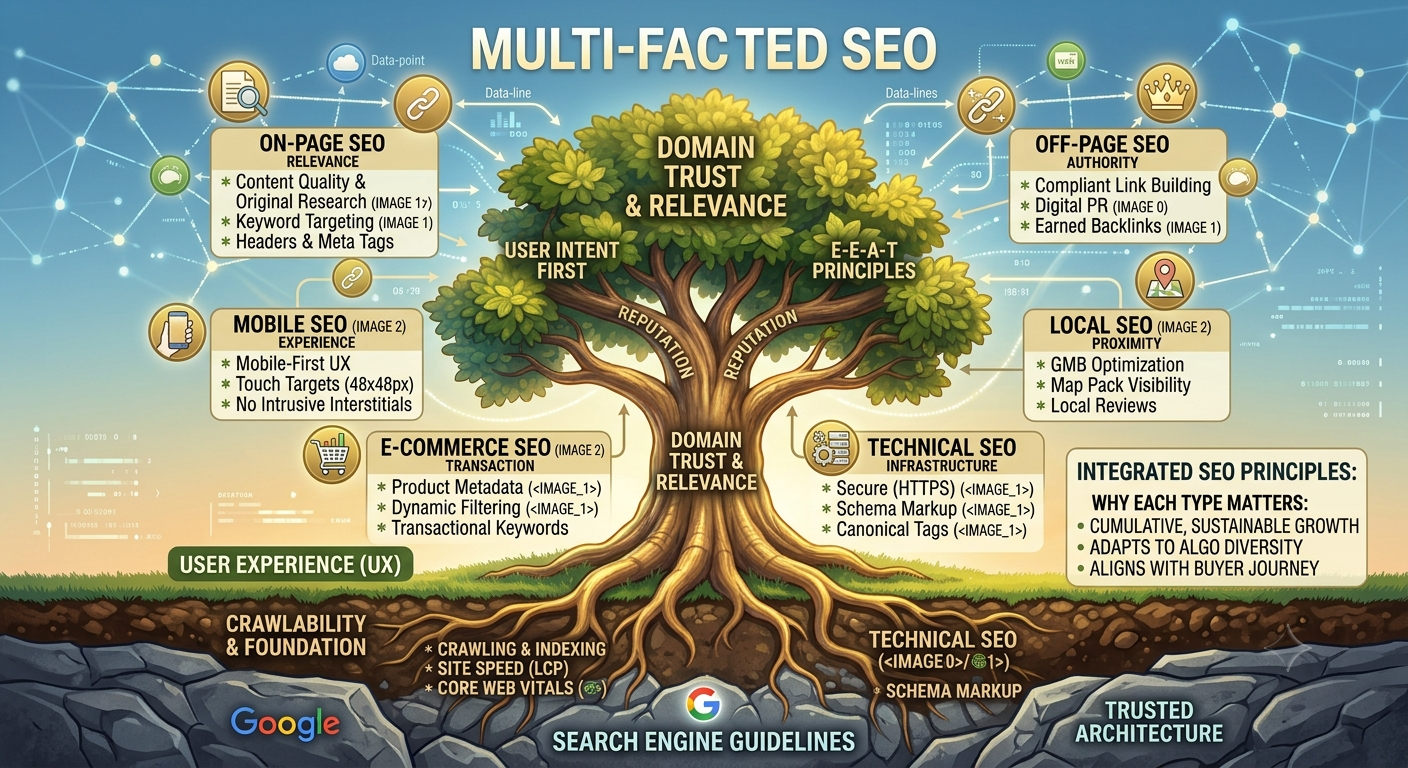
Each type of SEO addresses a different part of a website’s online presence.
For example:
On-page SEO improves website content and page-level optimization.
Off-page SEO helps build authority and reputation.
Technical SEO improves crawling, indexing, and website performance.
Local SEO helps businesses reach customers in specific locations.
E-commerce SEO helps online stores attract potential buyers.
Mobile SEO improves the experience for mobile users.
A successful SEO strategy often combines several of these approaches instead of relying on only one and types of search engine optimization
## How to Choose the Right SEO Strategy
The best SEO strategy depends on the type of business and its goals.
A local restaurant may need to focus heavily on local SEO, while an online clothing store may benefit more from e-commerce SEO. A content-based website may place greater emphasis on on-page and technical SEO and types of search engine optimization
Before creating an SEO strategy, businesses should consider:
1. Who is their target audience?
2. What keywords are potential customers searching for?
3. What type of website do they have?
4. Who are their competitors?
5. What are their business goals?
6. Which areas of their website need improvement?
A combination of different SEO techniques can then be used to create a more complete strategy and types of search engine optimization
Conclusion
Understanding the types of search engine optimization is essential for creating an effective digital marketing strategy. On-page, off-page, technical, local, e-commerce, and mobile SEO all play different roles in improving a website’s online presence.
SEO is not simply about getting a higher position in search results. It is also about creating useful content, improving website performance, building credibility, and giving visitors a better experience, types of search engine optimization
For businesses and freelancers, learning how these different SEO techniques work can create better opportunities to attract organic traffic and reach potential customers online. With consistent optimization and a user-focused approach, SEO can become a valuable part of a long-term digital marketing strategy and types of search engine optimization
author : anamika